Explore Our Services

Comprehensive financial planning for individuals and corporations

Protection-First Insurance (Foundation)

Risk cover + financial security

  1. What: Health insurance is a financial cover that pays for medical expenses such as hospitalization, surgery, doctor fees, medicines, and diagnostic tests, depending on the policy terms.

  2. Why we need it: Medical treatment is expensive. Health insurance protects your savings, provides cashless treatment, and gives financial security during health emergencies or serious illnesses.

  3. How to buy: Assess your health needs, compare plans online or offline, check coverage limits, waiting periods, network hospitals, premiums, and claim settlement ratio before purchasing.

  4. From whom to buy: Buy from trusted insurance companies, banks, or IRDAI-licensed agents or brokers.

  1. What: Term insurance is a pure life insurance plan that provides a fixed sum assured to the nominee if the policyholder dies during the policy term. It does not offer maturity or survival benefits.

  2. Why we need it: It ensures financial security for family members, covers income loss, pays off loans, supports children’s education, and maintains lifestyle after the policyholder’s death.

  3. How to buy: Calculate required cover, choose policy term, compare premiums, check claim settlement ratio, policy exclusions, riders, and medical requirements before purchasing.

  4. From whom to buy: Buy from reputed life insurance companies, banks, or IRDAI-licensed agents or online platforms.

  1. What: Personal accidental insurance provides financial compensation in case of accidental death, permanent or partial disability, and sometimes temporary disability due to an accident.

  2. Why we need it: Accidents can cause sudden income loss and high expenses. This insurance supports the family, covers medical and rehabilitation costs, and ensures financial stability during recovery or disability.

  3. How to buy: Assess your occupation risk, choose adequate sum assured, check coverage for disabilities, exclusions, add-on benefits, premium amount, and claim process before purchasing.

  4. From whom to buy: Buy from reputed general insurance companies, banks, or IRDAI-licensed insurance agents or brokers.

  1. What: Critical illness cover is an insurance policy that pays a lump-sum amount on diagnosis of specified serious illnesses like cancer, heart attack, stroke, kidney failure, etc., as listed in the policy.

  2. Why we need it: Treatment of critical illnesses is costly and long-term. This cover helps manage medical bills, income loss, recovery expenses, lifestyle changes, and financial stress on the family.

  3. How to buy: Check list of covered illnesses, sum assured, waiting period, survival period, exclusions, premium, and claim settlement history before purchasing.

  4. From whom to buy: Buy from reputed insurance companies, banks, or IRDAI-licensed agents or brokers.

  1. What: Income protection cover is an insurance plan that provides a regular monthly income if the policyholder becomes unable to work due to illness, injury, or disability, as per policy terms.

  2. Why we need it: It replaces lost income, helps manage daily expenses, EMIs, rent, education costs, and maintains financial stability during recovery or long-term disability.

  3. How to buy: Assess monthly income needs, benefit period, waiting period, coverage conditions, exclusions, premium amount, and claim process before purchasing.

  4. From whom to buy: Buy from reputed insurance companies, banks, or IRDAI-licensed agents or brokers.

Insurance + Savings (Low Risk)

Capital safety with moderate returns

  1. What: Health insurance is a financial cover that pays for medical expenses such as hospitalization, surgery, doctor fees, medicines, and diagnostic tests, depending on the policy terms.

  2. Why we need it: Medical treatment is expensive. Health insurance protects your savings, provides cashless treatment, and gives financial security during health emergencies or serious illnesses.

  3. How to buy: Assess your health needs, compare plans online or offline, check coverage limits, waiting periods, network hospitals, premiums, and claim settlement ratio before purchasing.

  4. From whom to buy: Buy from trusted insurance companies, banks, or IRDAI-licensed agents or brokers.

  1. What: Term insurance is a pure life insurance plan that provides a fixed sum assured to the nominee if the policyholder dies during the policy term. It does not offer maturity or survival benefits.

  2. Why we need it: It ensures financial security for family members, covers income loss, pays off loans, supports children’s education, and maintains lifestyle after the policyholder’s death.

  3. How to buy: Calculate required cover, choose policy term, compare premiums, check claim settlement ratio, policy exclusions, riders, and medical requirements before purchasing.

  4. From whom to buy: Buy from reputed life insurance companies, banks, or IRDAI-licensed agents or online platforms.

  1. What: Personal accidental insurance provides financial compensation in case of accidental death, permanent or partial disability, and sometimes temporary disability due to an accident.

  2. Why we need it: Accidents can cause sudden income loss and high expenses. This insurance supports the family, covers medical and rehabilitation costs, and ensures financial stability during recovery or disability.

  3. How to buy: Assess your occupation risk, choose adequate sum assured, check coverage for disabilities, exclusions, add-on benefits, premium amount, and claim process before purchasing.

  4. From whom to buy: Buy from reputed general insurance companies, banks, or IRDAI-licensed insurance agents or brokers.

Insurance + Market-Linked Investment

Wealth creation + protection

  1. What: Income protection cover is an insurance plan that provides a regular monthly income if the policyholder becomes unable to work due to illness, injury, or disability, as per policy terms.

  2. Why we need it: It replaces lost income, helps manage daily expenses, EMIs, rent, education costs, and maintains financial stability during recovery or long-term disability.

  3. How to buy: Assess monthly income needs, benefit period, waiting period, coverage conditions, exclusions, premium amount, and claim process before purchasing.

  4. From whom to buy: Buy from reputed insurance companies, banks, or IRDAI-licensed agents or brokers.

What:
An Endowment Policy is a life insurance plan that combines insurance protection with long-term savings. It provides financial security to the family in case of the policyholder’s death and a maturity benefit if the policyholder survives the policy term.

Why we need it:
Endowment policies help in disciplined savings, wealth creation, and life cover at the same time. They are ideal for long-term goals such as education, marriage, or future financial planning, while offering stable returns and financial protection.

How to buy:
Decide the policy term and sum assured, understand premium amount, bonus structure, maturity benefits, and tax advantages before purchasing the policy.

From whom to buy:
Endowment policies can be purchased from licensed life insurance companies through authorized agents, brokers, or official online insurance platforms.

  1. What: A money back insurance plan is a life insurance policy that provides periodic payouts at fixed intervals during the policy term, along with life cover. On death, the full sum assured is paid regardless of payouts made.

  2. Why we need it: It ensures regular liquidity, helps meet milestones like education or expenses, offers life protection, disciplined savings, and financial security for the family.

  3. How to buy: Define financial goals, choose payout schedule, sum assured, policy term, premium affordability, bonus history, and policy conditions before purchasing.

  4. From whom to buy: Buy from reputed life insurance companies, banks, or IRDAI-licensed agents or brokers.

  1. What: Guaranteed return insurance is a life insurance savings plan that offers assured returns at maturity along with life cover. The returns are fixed or pre-declared, subject to policy terms and premium payment conditions.

  2. Why we need it: It provides safety of capital, predictable returns, life protection, disciplined long-term savings, and helps achieve goals without market risk.

  3. How to buy: Check guaranteed maturity value, policy term, premium paying term, lock-in period, internal rate of return, and surrender conditions before purchasing.

  4. From whom to buy: Buy from reputed life insurance companies, banks, or IRDAI-licensed agents or brokers.

Pure Investment Options (Non-Insurance)

To balance returns (Low Risk)

What:
A Fixed Deposit (FD) is a safe investment option where a lump sum amount is deposited with a bank or financial institution for a fixed period at a predetermined interest rate, offering assured returns.

Why we need it:
FDs are ideal for capital safety, guaranteed returns, and stable income. They are suitable for conservative investors, emergency funds, and short- to medium-term financial goals without market risk.

How to buy:
Choose the deposit amount and tenure, compare interest rates, understand premature withdrawal rules, and select payout options (monthly, quarterly, or maturity).

From whom to buy:
Fixed Deposits can be opened with banks, post offices, and authorized non-banking financial companies (NBFCs), both offline and online.

  1. What: Public Provident Fund (PPF) is a government-backed long-term savings scheme offering fixed returns, tax benefits, and high safety, with a lock-in period of 15 years.

  2. Why we need it: PPF helps build long-term wealth, ensures capital protection, provides stable returns, and offers tax benefits under EEE (investment, interest, maturity).

  3. How to buy: Open a PPF account, deposit yearly contributions within limits, choose lump sum or installments, and maintain the account regularly until maturity.

  4. From whom to buy: Open a PPF account through post offices, nationalized banks, private banks, or authorized financial institutions.

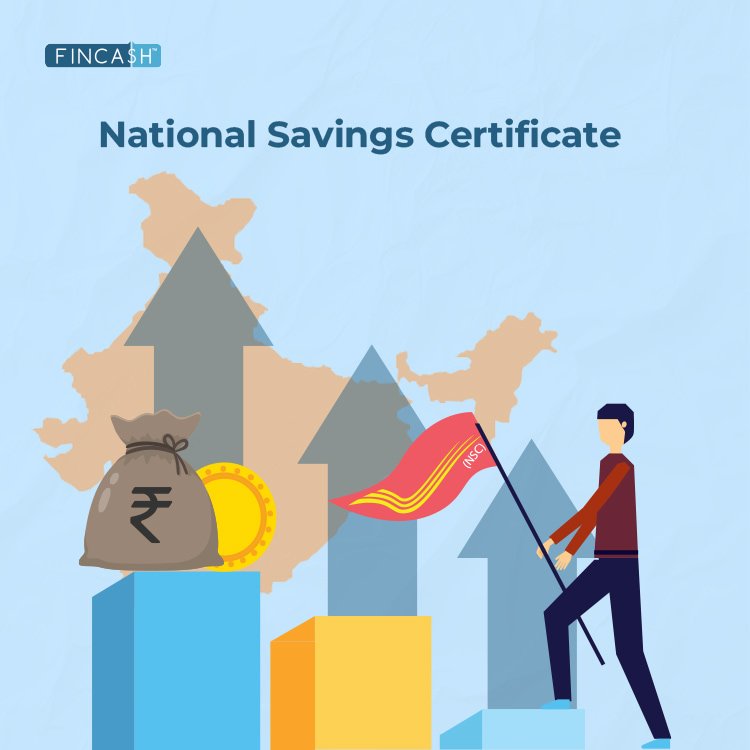
  1. What: National Savings Certificate (NSC) is a government-backed fixed-income savings scheme with a fixed maturity period, offering assured returns and low risk.

  2. Why we need it: NSC is ideal for safe savings, tax benefits under Section 80C, capital protection, and predictable returns for medium-term financial goals.

  3. How to buy: Decide investment amount, choose certificate tenure, understand interest compounding, lock-in period, and maturity value before investing.

  4. From whom to buy: Buy NSC from post offices or authorized government savings centers.

  1. What: Debt mutual funds invest mainly in fixed-income securities like government bonds, corporate bonds, treasury bills, and money market instruments, offering relatively stable returns with lower risk than equity funds.

  2. Why we need it: They provide regular income, better returns than savings accounts, portfolio stability, liquidity, and help manage risk while preserving capital.

  3. How to buy: Identify investment horizon, risk level, choose suitable debt fund type, check credit quality, expense ratio, and interest rate sensitivity before investing.

  4. From whom to buy: Buy through mutual fund houses, banks, registered distributors, or SEBI-registered investment advisors and online platforms.

  1. What: RBI Bonds are government-backed savings instruments issued by the Reserve Bank of India on behalf of the Government, offering assured interest with very high safety of capital.

  2. Why we need it: They provide risk-free returns, stable income, protection of principal, and are suitable for conservative investors and retirees seeking safety over high returns.

  3. How to buy: Check current bond scheme terms, interest rate, tenure, payout option, eligibility, and lock-in conditions before investing. Apply online or offline as per guidelines.

  4. From whom to buy: Buy directly through RBI-authorized banks, designated branches, or RBI-approved online portals.

Pure Investment Options (Non-Insurance)

To balance returns (Medium Risk)

  1. What: Health insurance is a financial cover that pays for medical expenses such as hospitalization, surgery, doctor fees, medicines, and diagnostic tests, depending on the policy terms.

  2. Why we need it: Medical treatment is expensive. Health insurance protects your savings, provides cashless treatment, and gives financial security during health emergencies or serious illnesses.

  3. How to buy: Assess your health needs, compare plans online or offline, check coverage limits, waiting periods, network hospitals, premiums, and claim settlement ratio before purchasing.

  4. From whom to buy: Buy from trusted insurance companies, banks, or IRDAI-licensed agents or brokers.

  1. What: Term insurance is a pure life insurance plan that provides a fixed sum assured to the nominee if the policyholder dies during the policy term. It does not offer maturity or survival benefits.

  2. Why we need it: It ensures financial security for family members, covers income loss, pays off loans, supports children’s education, and maintains lifestyle after the policyholder’s death.

  3. How to buy: Calculate required cover, choose policy term, compare premiums, check claim settlement ratio, policy exclusions, riders, and medical requirements before purchasing.

  4. From whom to buy: Buy from reputed life insurance companies, banks, or IRDAI-licensed agents or online platforms.

  1. What: Personal accidental insurance provides financial compensation in case of accidental death, permanent or partial disability, and sometimes temporary disability due to an accident.

  2. Why we need it: Accidents can cause sudden income loss and high expenses. This insurance supports the family, covers medical and rehabilitation costs, and ensures financial stability during recovery or disability.

  3. How to buy: Assess your occupation risk, choose adequate sum assured, check coverage for disabilities, exclusions, add-on benefits, premium amount, and claim process before purchasing.

  4. From whom to buy: Buy from reputed general insurance companies, banks, or IRDAI-licensed insurance agents or brokers.

  1. What: Critical illness cover is an insurance policy that pays a lump-sum amount on diagnosis of specified serious illnesses like cancer, heart attack, stroke, kidney failure, etc., as listed in the policy.

  2. Why we need it: Treatment of critical illnesses is costly and long-term. This cover helps manage medical bills, income loss, recovery expenses, lifestyle changes, and financial stress on the family.

  3. How to buy: Check list of covered illnesses, sum assured, waiting period, survival period, exclusions, premium, and claim settlement history before purchasing.

  4. From whom to buy: Buy from reputed insurance companies, banks, or IRDAI-licensed agents or brokers.

Pure Investment Options (Non-Insurance)

To balance returns (High Risk)

  1. What: Mutual funds are investment vehicles that pool money from many investors and invest in equity, debt, or hybrid instruments, managed by professional fund managers.

  2. Why we need it: They help grow wealth, offer diversification, professional management, liquidity, and options for different risk levels and financial goals.

  3. How to buy: Identify goals and risk appetite, choose suitable fund category, check past performance, expense ratio, investment horizon, and invest via lump sum or SIP.

  4. From whom to buy: Buy from mutual fund houses, banks, registered distributors, online platforms, or SEBI-registered investment advisors.

  1. What: Stocks represent ownership in a company. By buying shares, investors become part-owners and can benefit from capital appreciation and dividends as the company grows.

  2. Why we need it: Stocks help create long-term wealth, beat inflation, offer higher return potential, and allow participation in economic and business growth.

  3. How to buy: Open a demat and trading account, research companies, analyze financials and market trends, decide investment horizon, and place buy or sell orders on exchanges.

  4. From whom to buy: Buy through SEBI-registered stock brokers, banks offering trading services, or authorized online trading platforms.

  1. What: Portfolio Management Services (PMS) and Alternative Investment Funds (AIF) are advanced investment products for High Net-Worth Individuals. PMS offers customized equity or debt portfolios, while AIF invests in alternatives like private equity, hedge funds, real estate, or structured strategies.

  2. Why we need it: They provide professional management, personalized strategies, diversification beyond mutual funds, higher return potential, and access to exclusive investment opportunities.

  3. How to buy: Assess eligibility and minimum investment, understand strategy, risk level, lock-in, fees, and performance history before investing.

  4. From whom to buy: Buy from SEBI-registered PMS providers, AIF managers, wealth management firms, or licensed investment advisors.

  1. What: Real Estate Investment Trusts (REITs) and Infrastructure Investment Trusts (InvITs) are market-listed investment vehicles that invest in income-generating real estate or infrastructure assets and distribute regular income to investors.

  2. Why we need it: They provide regular cash flow, diversification, exposure to real estate or infrastructure without direct ownership, transparency, and potential capital appreciation.

  3. How to buy: Open a demat account, evaluate asset quality, yield, sponsor strength, risks, and invest through stock exchanges or public issues.

  4. From whom to buy: Buy via SEBI-registered stock brokers, banks with demat services, or authorized online trading platforms.

  1. What: Startup or angel investing involves investing early-stage capital in startups in exchange for equity ownership. Returns depend on the startup’s growth, valuation, or exit through acquisition or IPO.

  2. Why we need it: It offers high return potential, portfolio diversification, early access to innovative businesses, and opportunity to support entrepreneurship and economic growth.

  3. How to buy: Assess risk appetite, choose sector, evaluate business model, founders, valuation, legal structure, exit options, and invest with long-term horizon.

  4. From whom to buy: Invest through angel networks, startup platforms, SEBI-registered AIFs (Category I), incubators, or trusted startup founders.

Retirement + Insurance Planning

Long-term income security

  1. What: National Pension System (NPS) is a government-regulated retirement scheme. Tier I is a mandatory retirement account with lock-in till retirement, while Tier II is a voluntary, flexible investment account without lock-in.

  2. Why we need it: NPS helps build a retirement corpus, offers low-cost investing, tax benefits, long-term wealth creation, and disciplined savings for post-retirement income.

  3. How to buy: Open an NPS account, choose Tier I or Tier II, select asset allocation and fund manager, and make regular contributions online or offline.

  4. From whom to buy: Open NPS through banks, post offices, authorized Points of Presence (PoPs), or the official NPS online portal.

  1. What: A pension plan with life cover is a retirement-focused insurance policy that combines life insurance protection with systematic savings to create a retirement corpus and provide post-retirement income.

  2. Why we need it: It ensures financial security for dependents, builds a retirement fund, offers regular income after retirement, and provides protection against uncertainties during earning years.

  3. How to buy: Decide retirement age, required pension amount, premium affordability, policy term, annuity options, life cover, and charges before purchasing.

  4. From whom to buy: Buy from reputed life insurance companies, banks, or IRDAI-licensed insurance agents or brokers.

  1. What: Immediate annuity plans provide regular pension income soon after a lump-sum investment, while deferred annuity plans accumulate savings during the deferment period and start paying pension at a future date.

  2. Why we need it: They ensure guaranteed lifelong income, financial stability after retirement, protection from longevity risk, and predictable cash flow for living expenses.

  3. How to buy: Choose annuity type, pension amount, payout frequency, return of purchase price option, inflation needs, and tax implications before investing.

  4. From whom to buy: Buy from life insurance companies, banks, or IRDAI-licensed insurance agents or brokers.

  1. What: Guaranteed pension insurance plans are retirement-focused policies that provide assured, regular pension income after retirement, along with life insurance coverage, as per predefined policy terms.

  2. Why we need it: They offer predictable lifelong income, financial security in old age, protection for dependents, and freedom from market volatility after retirement.

  3. How to buy: Decide retirement age, required pension amount, premium or lump-sum investment, payout options, policy term, and guarantees before purchasing.

  4. From whom to buy: Buy from reputed life insurance companies, banks, or IRDAI-licensed insurance agents or brokers.

Tax-Saving Investments with Insurance

Under Income Tax Act

  1. What: Section 80C of the Income Tax Act allows tax deduction up to ₹1.5 lakh per year on specified investments like PPF, ELSS, life insurance premiums, NPS, NSC, tax-saving FDs, and home loan principal repayment.

  2. Why we need it: It helps reduce taxable income, saves tax legally, encourages disciplined long-term savings, and supports financial goal planning.

  3. How to buy: Identify suitable 80C instruments based on risk, return, lock-in period, and financial goals, then invest accordingly.

  4. From whom to buy: Invest through banks, post offices, mutual fund houses, insurance companies, or authorized financial advisors.

  1. What: Section 80D of the Income Tax Act allows tax deduction on premiums paid for health insurance for self, family, parents, and preventive health check-ups, within prescribed limits.

  2. Why we need it: It reduces tax liability, encourages health insurance coverage, protects against rising medical costs, and supports preventive healthcare planning.

  3. How to buy: Choose suitable health insurance or top-up plans, check coverage, premium amount, exclusions, and tax eligibility before purchasing the policy.

  4. From whom to buy: Buy health insurance from reputed insurance companies, banks, or IRDAI-licensed insurance agents or brokers.

Ideal Investment Order

Vishvais Investopedia

Vishvais Investopedia is an educational platform that provides simple and practical knowledge related to investment, finance, and the stock market. It offers guides, tips, and insights in easy-to-understand language for everyone—from beginners to experienced investors—helping people make smart financial decisions and build a strong financial future.

Term Insurance

Health Insurance

Emergency Fund

Tax-saving investments

Wealth creation (MF / ULIP / Equity)

Retirement & legacy planning

Sample Smart Combo

Discover the Positive Experiences of Our Community

Combo 1

Term Insurance + Health Insurance

Combo 2

ULIP (Long term) + Index Fund

Combo 3

ELSS + Guaranteed Return Plan

Combo 4

NPS + Pension Annuity

Corporate Investment Classification

Objective

  1. What: Liquid funds invest in short-term money market instruments, T-Bills are short-term government securities, and Sweep FD links savings accounts with fixed deposits to earn higher interest on idle funds.

  2. Why we need it: They provide high liquidity, capital safety, better returns than savings accounts, and are ideal for parking surplus or emergency funds.

  3. How to buy: Choose option based on liquidity needs and risk, check tenure, returns, exit rules, and tax treatment before investing.

  4. From whom to buy: Buy liquid funds via mutual fund houses or platforms, T-Bills through RBI Retail Direct or banks, and Sweep FD from banks.

  1. What: Capital protection instruments include Bonds, Government Securities (G-Secs), and Inter-Corporate Deposits (ICD). They focus on preserving principal while providing stable and predictable returns with relatively low risk.

  2. Why we need it: They help safeguard invested capital, reduce portfolio volatility, provide steady income, and are suitable for conservative investors, surplus funds, or short- to medium-term goals.

  3. How to buy: Evaluate credit rating, issuer strength, tenure, interest rate, liquidity, and tax impact before investing.

  4. From whom to buy: Buy through banks, RBI platforms, stock exchanges, NBFCs, corporate treasuries, or SEBI-registered advisors and brokers.

  1. What: Yield income instruments include REITs, InvITs, and Non-Convertible Debentures (NCDs). They invest in income-generating real estate, infrastructure assets, or corporate debt and provide regular interest or distribution income.

  2. Why we need it: They generate steady cash flow, offer better yields than traditional deposits, diversify portfolios, and suit investors seeking regular income.

  3. How to buy: Assess yield, asset quality, credit rating, tenure, liquidity, tax treatment, and risks before investing.

  4. From whom to buy: Buy through stock exchanges, SEBI-registered brokers, banks, public issues, or authorized investment platforms.

  1. What: Strategic investments include Joint Ventures (JV) and Subsidiaries, where a company invests in or partners with another business to gain ownership, control, or shared management for long-term strategic objectives.

  2. Why we need it: They help expand business operations, enter new markets, share risks and resources, achieve synergies, access technology or expertise, and enhance long-term value creation.

  3. How to buy: Identify strategic fit, conduct due diligence, evaluate valuation, governance structure, legal agreements, and long-term goals before investing.

  4. From whom to buy: Invest directly with target companies, promoters, private equity firms, investment banks, or through strategic advisory and corporate finance consultants.

Objective

Suitable Instruments

Get More Every Single Update To Join Our Newsletters

Health Insurance
  1. What: Health insurance is a financial cover that pays for medical expenses such as hospitalization, surgery, doctor fees, medicines, and diagnostic tests, depending on the policy terms.

  2. Why we need it: Medical treatment is expensive. Health insurance protects your savings, provides cashless treatment, and gives financial security during health emergencies or serious illnesses.

  3. How to buy: Assess your health needs, compare plans online or offline, check coverage limits, waiting periods, network hospitals, premiums, and claim settlement ratio before purchasing.

  4. From whom to buy: Buy from trusted insurance companies, banks, or IRDAI-licensed agents or brokers.

  1. What: Term insurance is a pure life insurance plan that provides a fixed sum assured to the nominee if the policyholder dies during the policy term. It does not offer maturity or survival benefits.

  2. Why we need it: It ensures financial security for family members, covers income loss, pays off loans, supports children’s education, and maintains lifestyle after the policyholder’s death.

  3. How to buy: Calculate required cover, choose policy term, compare premiums, check claim settlement ratio, policy exclusions, riders, and medical requirements before purchasing.

  4. From whom to buy: Buy from reputed life insurance companies, banks, or IRDAI-licensed agents or online platforms.

  1. What: Personal accidental insurance provides financial compensation in case of accidental death, permanent or partial disability, and sometimes temporary disability due to an accident.

  2. Why we need it: Accidents can cause sudden income loss and high expenses. This insurance supports the family, covers medical and rehabilitation costs, and ensures financial stability during recovery or disability.

  3. How to buy: Assess your occupation risk, choose adequate sum assured, check coverage for disabilities, exclusions, add-on benefits, premium amount, and claim process before purchasing.

  4. From whom to buy: Buy from reputed general insurance companies, banks, or IRDAI-licensed insurance agents or brokers.

  1. What: Critical illness cover is an insurance policy that pays a lump-sum amount on diagnosis of specified serious illnesses like cancer, heart attack, stroke, kidney failure, etc., as listed in the policy.

  2. Why we need it: Treatment of critical illnesses is costly and long-term. This cover helps manage medical bills, income loss, recovery expenses, lifestyle changes, and financial stress on the family.

  3. How to buy: Check list of covered illnesses, sum assured, waiting period, survival period, exclusions, premium, and claim settlement history before purchasing.

  4. From whom to buy: Buy from reputed insurance companies, banks, or IRDAI-licensed agents or brokers.

  1. What: Income protection cover is an insurance plan that provides a regular monthly income if the policyholder becomes unable to work due to illness, injury, or disability, as per policy terms.

  2. Why we need it: It replaces lost income, helps manage daily expenses, EMIs, rent, education costs, and maintains financial stability during recovery or long-term disability.

  3. How to buy: Assess monthly income needs, benefit period, waiting period, coverage conditions, exclusions, premium amount, and claim process before purchasing.

  4. From whom to buy: Buy from reputed insurance companies, banks, or IRDAI-licensed agents or brokers.

What:
An Endowment Policy is a life insurance plan that combines insurance protection with long-term savings. It provides financial security to the family in case of the policyholder’s death and a maturity benefit if the policyholder survives the policy term.

Why we need it:
Endowment policies help in disciplined savings, wealth creation, and life cover at the same time. They are ideal for long-term goals such as education, marriage, or future financial planning, while offering stable returns and financial protection.

How to buy:
Decide the policy term and sum assured, understand premium amount, bonus structure, maturity benefits, and tax advantages before purchasing the policy.

From whom to buy:
Endowment policies can be purchased from licensed life insurance companies through authorized agents, brokers, or official online insurance platforms.

  1. What: A money back insurance plan is a life insurance policy that provides periodic payouts at fixed intervals during the policy term, along with life cover. On death, the full sum assured is paid regardless of payouts made.

  2. Why we need it: It ensures regular liquidity, helps meet milestones like education or expenses, offers life protection, disciplined savings, and financial security for the family.

  3. How to buy: Define financial goals, choose payout schedule, sum assured, policy term, premium affordability, bonus history, and policy conditions before purchasing.

  4. From whom to buy: Buy from reputed life insurance companies, banks, or IRDAI-licensed agents or brokers.

  1. What: Guaranteed return insurance is a life insurance savings plan that offers assured returns at maturity along with life cover. The returns are fixed or pre-declared, subject to policy terms and premium payment conditions.

  2. Why we need it: It provides safety of capital, predictable returns, life protection, disciplined long-term savings, and helps achieve goals without market risk.

  3. How to buy: Check guaranteed maturity value, policy term, premium paying term, lock-in period, internal rate of return, and surrender conditions before purchasing.

  4. From whom to buy: Buy from reputed life insurance companies, banks, or IRDAI-licensed agents or brokers.

  1. What: Whole life insurance (saving plan) provides life cover for the entire lifetime, usually up to age 99 or 100, along with a savings component that builds cash value over time.

  2. Why we need it: It offers lifelong financial security for family, long-term wealth creation, estate planning benefits, and disciplined savings with protection against uncertainties.

  3. How to buy: Decide coverage amount, premium payment term, savings option, bonus structure, liquidity features, and long-term affordability before purchasing.

  4. From whom to buy: Buy from reputed life insurance companies, banks, or IRDAI-licensed agents or brokers.

  1. What: ULIP is a life insurance plan that combines insurance protection with market-linked investment. A part of the premium provides life cover, while the remaining amount is invested in equity, debt, or balanced funds.

  2. Why we need it: It helps create long-term wealth, offers life protection, flexibility to switch funds, tax benefits, and goal-based investing like retirement or education.

  3. How to buy: Assess risk profile, choose funds, policy term, premium amount, charges, lock-in period, and past fund performance before purchasing.

  4. From whom to buy: Buy from reputed life insurance companies, banks, or IRDAI-licensed agents or brokers.

  1. What: These are investment options where equity funds invest mainly in shares, debt funds invest in fixed-income instruments like bonds, and balanced (hybrid) funds invest in both equity and debt.

  2. Why we need it: They help grow wealth, manage risk, provide regular income or stability, and allow diversification based on financial goals and risk appetite.

  3. How to buy: Identify goals and risk level, choose suitable fund type, check past performance, expense ratio, fund manager quality, and investment horizon before investing.

  4. From whom to buy: Buy through mutual fund houses, banks, registered distributors, or SEBI-registered investment advisors or online platforms.

  1. What: Pension ULIP Plan is a retirement-focused insurance plan that combines life cover with market-linked investments to build a retirement corpus. At vesting age, part of the fund can be withdrawn and the rest used to buy annuity.

  2. Why we need it: It helps create a retirement fund, provides long-term wealth growth, offers investment flexibility, tax benefits, and ensures regular income after retirement.

  3. How to buy: Decide retirement age, contribution amount, fund choice, risk profile, charges, lock-in period, and annuity options before purchasing.

  4. From whom to buy: Buy from reputed life insurance companies, banks, or IRDAI-licensed agents or brokers.

  1. What: Child education ULIP plans are insurance-cum-investment plans designed to create a fund for a child’s future education. They combine life cover for the parent with market-linked investments, often with premium waiver benefits.

  2. Why we need it: Education costs are rising. These plans help build a dedicated education corpus, provide financial security to the child even if the parent is not around, and offer disciplined long-term investing.

  3. How to buy: Estimate future education cost, choose policy term, sum assured, fund options, charges, and premium waiver feature before purchasing.

  4. From whom to buy: Buy from reputed life insurance companies, banks, or IRDAI-licensed agents or brokers.

What:
A Fixed Deposit (FD) is a safe investment option where a lump sum amount is deposited with a bank or financial institution for a fixed period at a predetermined interest rate, offering assured returns.

Why we need it:
FDs are ideal for capital safety, guaranteed returns, and stable income. They are suitable for conservative investors, emergency funds, and short- to medium-term financial goals without market risk.

How to buy:
Choose the deposit amount and tenure, compare interest rates, understand premature withdrawal rules, and select payout options (monthly, quarterly, or maturity).

From whom to buy:
Fixed Deposits can be opened with banks, post offices, and authorized non-banking financial companies (NBFCs), both offline and online.

  1. What: Public Provident Fund (PPF) is a government-backed long-term savings scheme offering fixed returns, tax benefits, and high safety, with a lock-in period of 15 years.

  2. Why we need it: PPF helps build long-term wealth, ensures capital protection, provides stable returns, and offers tax benefits under EEE (investment, interest, maturity).

  3. How to buy: Open a PPF account, deposit yearly contributions within limits, choose lump sum or installments, and maintain the account regularly until maturity.

  4. From whom to buy: Open a PPF account through post offices, nationalized banks, private banks, or authorized financial institutions.

  1. What: National Savings Certificate (NSC) is a government-backed fixed-income savings scheme with a fixed maturity period, offering assured returns and low risk.

  2. Why we need it: NSC is ideal for safe savings, tax benefits under Section 80C, capital protection, and predictable returns for medium-term financial goals.

  3. How to buy: Decide investment amount, choose certificate tenure, understand interest compounding, lock-in period, and maturity value before investing.

  4. From whom to buy: Buy NSC from post offices or authorized government savings centers.

  1. What: Debt mutual funds invest mainly in fixed-income securities like government bonds, corporate bonds, treasury bills, and money market instruments, offering relatively stable returns with lower risk than equity funds.

  2. Why we need it: They provide regular income, better returns than savings accounts, portfolio stability, liquidity, and help manage risk while preserving capital.

  3. How to buy: Identify investment horizon, risk level, choose suitable debt fund type, check credit quality, expense ratio, and interest rate sensitivity before investing.

  4. From whom to buy: Buy through mutual fund houses, banks, registered distributors, or SEBI-registered investment advisors and online platforms.

  1. What: RBI Bonds are government-backed savings instruments issued by the Reserve Bank of India on behalf of the Government, offering assured interest with very high safety of capital.

  2. Why we need it: They provide risk-free returns, stable income, protection of principal, and are suitable for conservative investors and retirees seeking safety over high returns.

  3. How to buy: Check current bond scheme terms, interest rate, tenure, payout option, eligibility, and lock-in conditions before investing. Apply online or offline as per guidelines.

  4. From whom to buy: Buy directly through RBI-authorized banks, designated branches, or RBI-approved online portals.

  1. What: Hybrid mutual funds invest in a mix of equity and debt instruments, aiming to balance growth and stability. The equity portion provides growth potential, while debt offers income and risk control.

  2. Why we need it: They help diversify investments, reduce volatility, provide moderate returns, and suit investors seeking balanced risk with long-term wealth creation.

  3. How to buy: Assess risk appetite and goals, choose suitable hybrid category, review asset allocation, past performance, expense ratio, and investment horizon before investing.

  4. From whom to buy: Buy through mutual fund houses, banks, registered distributors, or SEBI-registered investment advisors and online platforms.

  1. What: Index funds are passive mutual funds that invest in the same stocks and proportions as a market index like Nifty 50 or Sensex, aiming to match index performance.

  2. Why we need it: They offer low-cost investing, diversification, market-linked returns, transparency, and are suitable for long-term wealth creation with lower fund management risk.

  3. How to buy: Choose the index to track, compare expense ratios, tracking error, fund size, and investment horizon before investing via lump sum or SIP.

  4. From whom to buy: Buy through mutual fund houses, banks, registered distributors, online platforms, or SEBI-registered investment advisors.

  1. What: Corporate bonds are debt instruments issued by companies to raise funds. Investors lend money to the company and receive fixed or floating interest payments, with principal returned at maturity.

  2. Why we need it: They offer higher returns than bank deposits, predictable income, portfolio diversification, and moderate risk compared to equity investments.

  3. How to buy: Check credit rating, issuer financial strength, interest rate, tenure, liquidity, and tax implications before investing, either in primary or secondary market.

  4. From whom to buy: Buy through stock exchanges, banks, NBFCs, registered brokers, mutual fund platforms, or SEBI-registered investment advisors.

  1. What: Gold and Silver ETFs are exchange-traded funds that invest in physical gold or silver or related instruments. They track the price of the underlying metal and are traded like shares on stock exchanges.

  2. Why we need it: They provide portfolio diversification, hedge against inflation, protect during market volatility, and avoid risks of storing physical gold or silver.

  3. How to buy: Open a demat and trading account, choose the ETF, check expense ratio, liquidity, tracking error, and invest through the stock exchange.

  4. From whom to buy: Buy via stock brokers, banks offering demat services, or SEBI-registered online trading platforms.

Vishvais Investment is a trusted financial advisory firm providing smart, transparent, and long-term investment solutions to help clients achieve their financial goals.

Get in Touch

fintech
Privacy Overview

This website uses cookies so that we can provide you with the best user experience possible. Cookie information is stored in your browser and performs functions such as recognising you when you return to our website and helping our team to understand which sections of the website you find most interesting and useful.